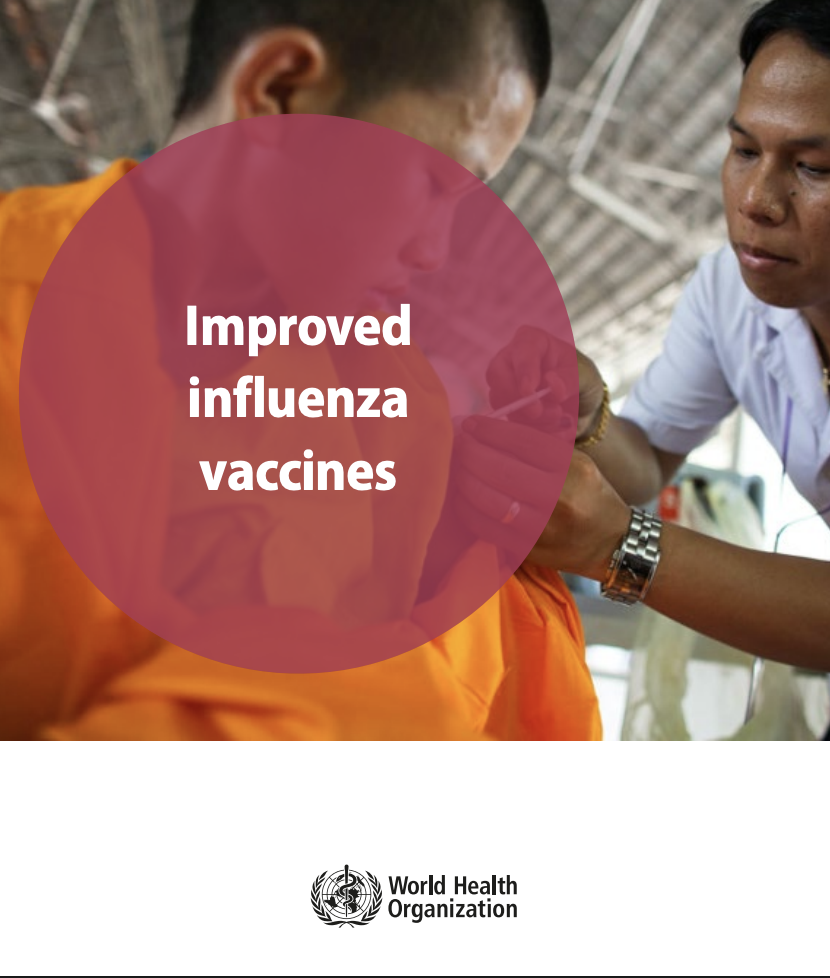
A new World Health Organization (WHO) report, Full Value of Improved Influenza Vaccine Assessment (FVIVA), examines the potential health, economic, and policy impact of next-generation influenza vaccines designed to provide broader and longer-lasting protection than current seasonal vaccines.
Influenza causes an estimated one billion illnesses annually, resulting in 3–5 million severe cases and up to 650,000 deaths from respiratory complications worldwide. The FVIVA report finds that improved or universal influenza vaccines — if widely adopted between 2025 and 2050 — could prevent up to 18 billion influenza cases and save as many as 6.2 million lives globally, particularly among populations at highest risk of severe disease.
The assessment also highlights the potential to avert up to 1.3 billion defined daily doses of antibiotics, underscoring the important role improved vaccines could play in reducing antimicrobial resistance. Designed to support evidence-informed decision-making, the FVIVA provides governments, researchers, manufacturers, and global health partners with critical insights into the value and implementation considerations of next-generation influenza vaccines.
The Partnership for International Vaccine Initiatives (PIVI) supported this work through partial funding and PIVI Director, Dr. Joseph Bresee, participated in the report’s core working group, contributing to the collaborative global effort that informed the assessment.