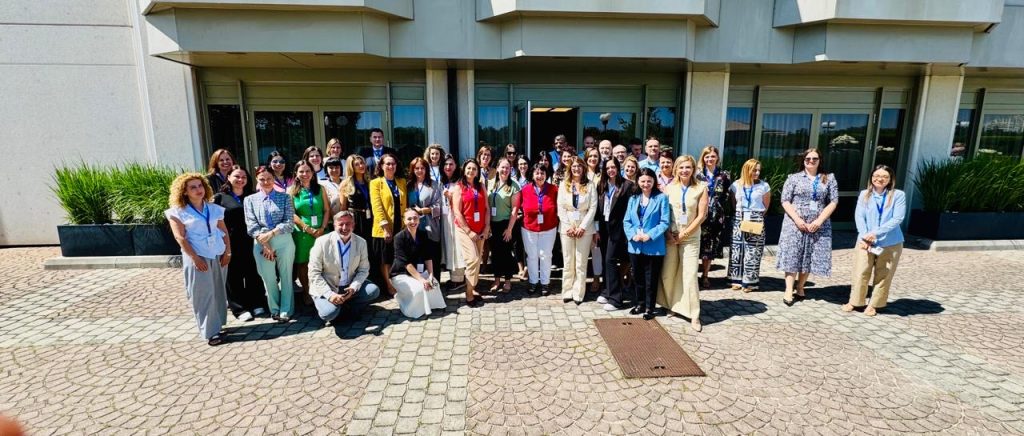
Vaccination has long been one of the most powerful tools in public health, preventing an estimated 4 million deaths every year, according to the CDC. Yet in southeast Europe, influenza vaccination rates have remained far below the recommended 75% target for at-risk groups, leaving populations vulnerable to seasonal illness and its complications. To help address this challenge, SECID and PIVI convened a regional workshop in June on Vaccination Communication: Balancing Benefits and Risks Effectively in Vienna, Austria.
The two-day workshop brought together vaccine communication experts, public health representatives from eight southeast European countries, and invited journalists. Participants from Albania, Bosnia & Herzegovina, Bulgaria, Croatia, Kosovo, Montenegro, North Macedonia, and Serbia worked side by side to examine shared challenges and develop more effective communication strategies tailored to their communities.
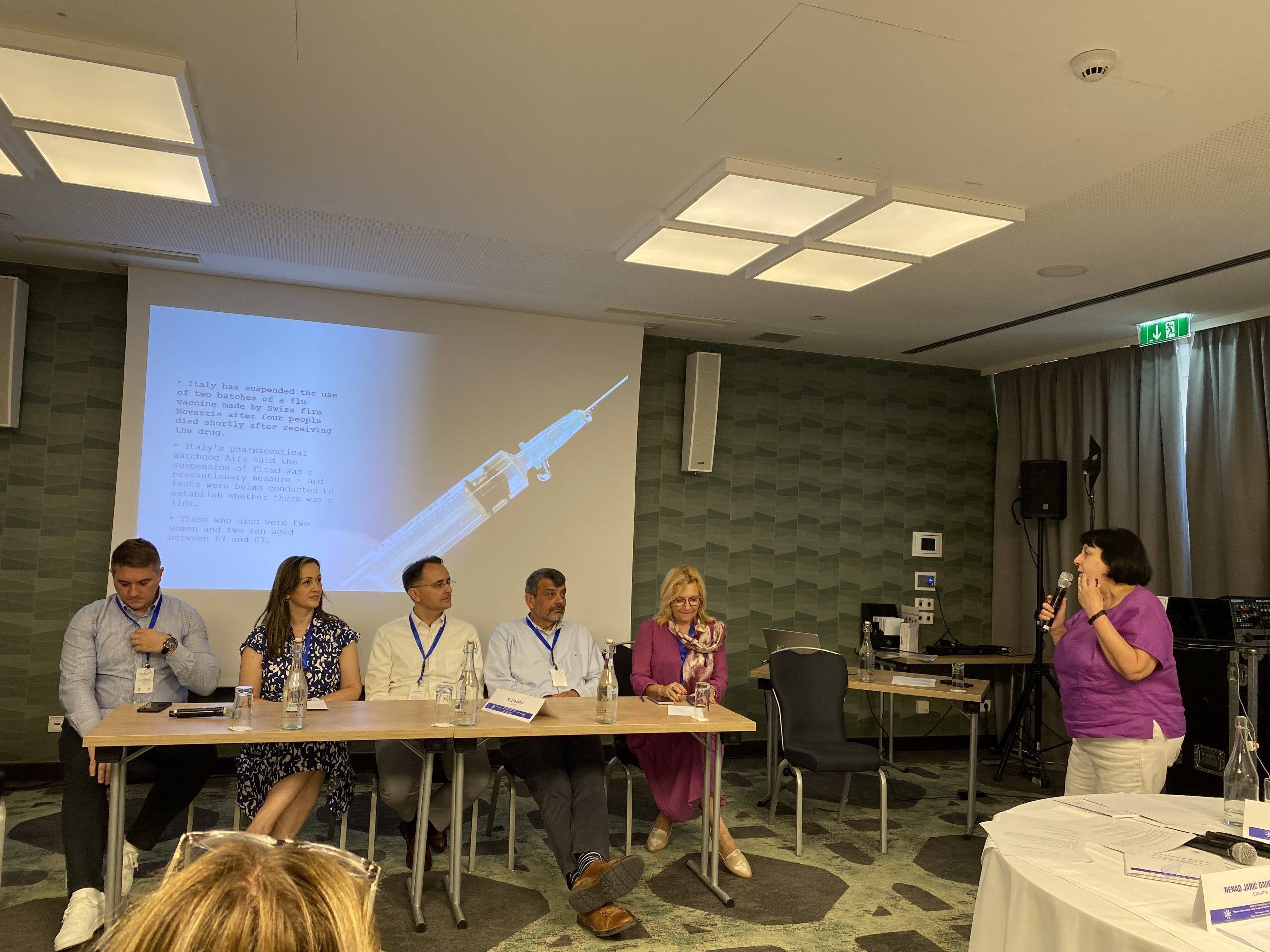
Sessions explored both successes and shortcomings in vaccine communication across the region. Country teams highlighted past initiatives that had built trust and improved uptake, while also analyzing barriers such as weak public health messaging, limited healthcare worker engagement, and the pervasive influence of misinformation. Through case studies and group discussions, participants identified lessons learned and opportunities for improvement, with particular attention to influenza vaccination.
A major focus of the workshop was equipping attendees with practical tools for more effective communication. Interactive exercises guided participants in identifying target audiences, shaping clear and compelling messages, and balancing information about the benefits and risks of vaccination. Sessions on countering misinformation and practicing social listening prepared country teams to recognize false narratives online and respond in proactive, evidence-based ways. The workshop also featured media engagement training, including a panel discussion and practical exercises designed to strengthen relationships between health communicators and journalists.
By the close of the meeting, participants had not only sharpened their technical skills but also built stronger connections across borders. The collaborative environment fostered the exchange of innovative approaches, from grassroots campaigns to new digital strategies. This shared learning created momentum for future collaboration and action to increase influenza and other vaccine coverage across southeast Europe.
Through this workshop, SECID and PIVI reinforced their commitment to supporting national health systems and building community resilience. By equipping communicators with the tools, strategies, and networks they need, the meeting marked an important step toward strengthening vaccine confidence, protecting vulnerable populations, and advancing public health across the region.