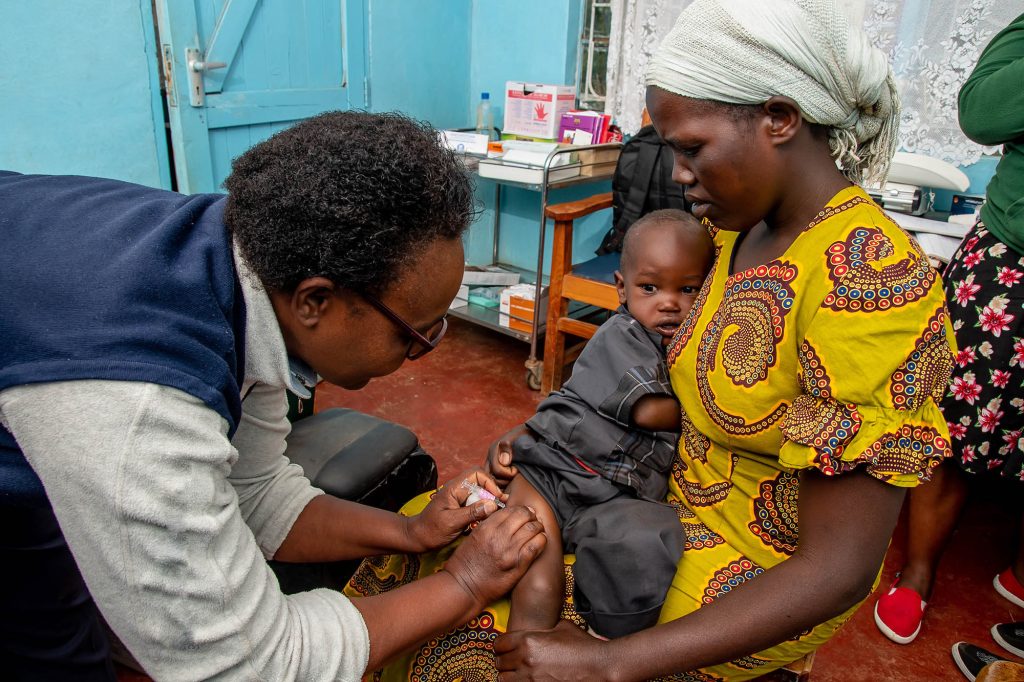
Immunization is a major global health success, having eradicated smallpox, nearly eliminated polio, and saved millions of lives annually. However, recent WHO/UNICEF data shows a stall in global childhood immunization coverage in 2023. Significant gaps remain despite more children being vaccinated compared to the previous year, with 21.7 million missing one or more vaccines and 13.4 million receiving none, known as “zero dose” children. This shortfall has increased vaccine-preventable diseases (VPDs) outbreaks from 2021 to 2023. The uneven distribution of immunization benefits, particularly among the poorest and most vulnerable in conflict-affected areas, underscores the need for strong immunization programs and effective disease surveillance to maintain high coverage and prevent disease outbreaks.
Nigeria has seen progress in vaccination coverage over the past two decades, with the percentage of children aged 12–23 months receiving basic vaccinations rising from 23% in 2008 to 62% in 2023. Despite this improvement, Nigeria is still far from its national target of 80% coverage by 2028.
The Respiratory Virus Prevention and Preparedness Unit at The Task Force for Global Health and US CDC are working together to support Nigeria in strengthening immunization services in targeted sub-national areas, contributing directly to reducing zero dose burden.
The Task Force for Global Health is committed to supporting and implementing global immunization priorities and lifesaving, cost-effective public health interventions to reduce the risk of disease, disability, and death from VPDs. Funding is available to support the following high-level immunization-strengthening strategies in Nigeria, in alignment with Government priorities: Strengthen immunization services in targeted sub-national areas and contribute directly to reducing zero dose burden.
- Support and continuously improve comprehensive VPD surveillance systems in targeted sub-national areas.
- Prepare for and respond to VPD outbreaks in targeted sub-national areas.
- Foster immunization program sustainability in targeted sub-national areas.
- Collaborate with government and Implementation partners.
To apply, an organization should be a Civil Society Organization (CSO) based in Nigeria. The main point of contact for the CSO should be based in Nigeria.
Interested CSOs should submit their proposal in the proposal template provided. Proposals not submitted in this template will not be considered.
Proposals should be submitted by email to respiratoryprograms@taskforce.org by Sunday, November 3, 2024, 11:59 p.m EDT. (PLEASE NOTE – deadline was extended)